“`html
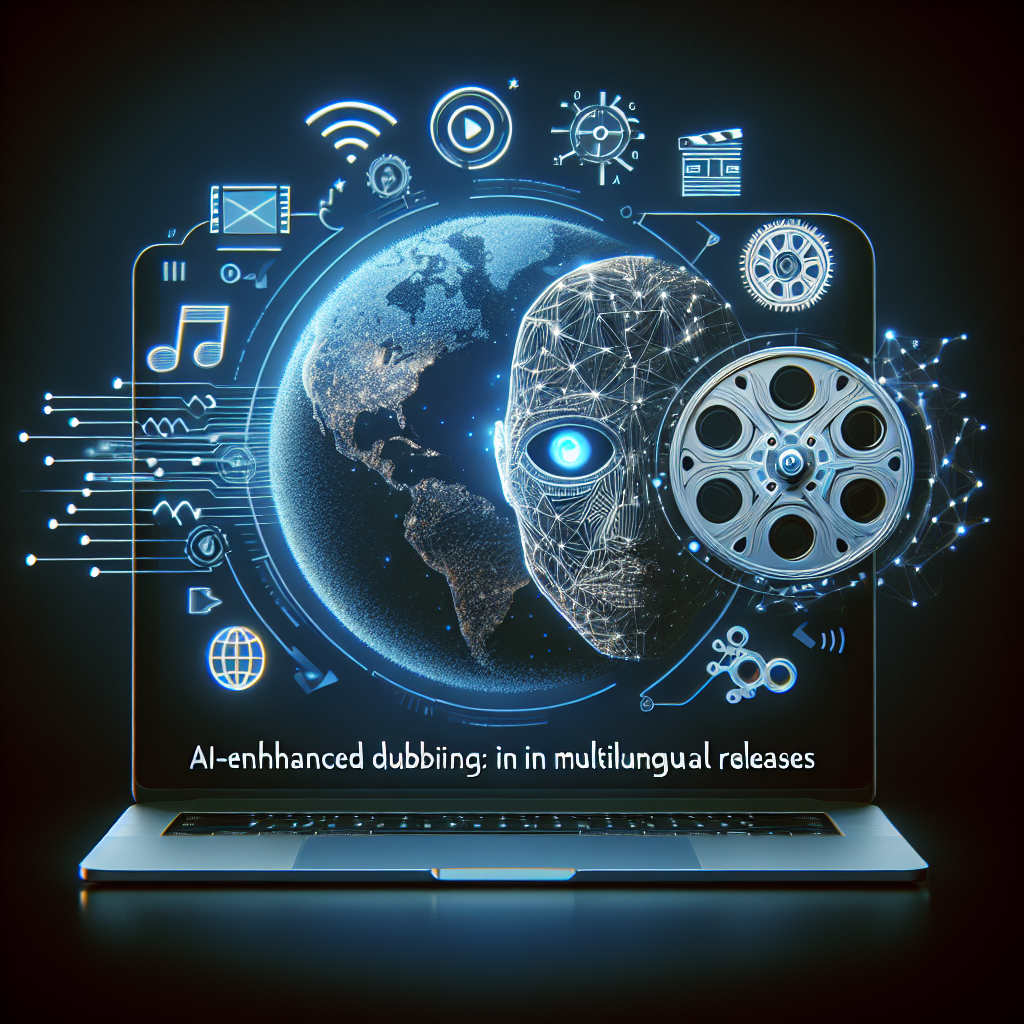
In today’s globally interconnected world, movies transcend cultural and linguistic boundaries. A pivotal component facilitating this cinematic globalization is **film dubbing**, a practice that adapts dialogue from one language into another. However, traditional dubbing processes have often been riddled with challenges, including mismatched lip movements and tonal inconsistencies. Enter **AI-enhanced film dubbing**, a cutting-edge solution that promises to redefine the precision and effectiveness of multilingual releases.
Article Outline
- Introduction to AI in Film Dubbing
- The Importance of Dubbing in Cinema
- How AI is Revolutionizing Dubbing
- Benefits of AI-Enhanced Dubbing
- Challenges and Solutions
- The Future of AI in Film Dubbing
- Conclusion
Introduction to AI in Film Dubbing
The integration of **artificial intelligence (AI)** in film dubbing is a game-changer in the movie industry. AI technologies, such as deep learning and natural language processing, are being utilized to synchronize dialogue with actors’ lip movements and mimic their original tone. These advancements allow for a more authentic and fluid viewing experience, breaking down language barriers more effectively than ever before.
The Importance of Dubbing in Cinema
**Film dubbing** plays a crucial role in making movies accessible to a global audience. By providing translations, dubbing allows non-native speakers to enjoy films in their language, expanding the reach and impact of cinematic works. However, traditional dubbing methods have limitations:
- Mismatched lip synchronization
- Loss of emotional nuance
- Inconsistent character voice representation
How AI is Revolutionizing Dubbing
AI technologies have brought significant improvements to dubbing processes:
- Lip-sync technology: AI algorithms analyze the actor’s lip movements and adjust the synced dialogue to match them perfectly.
- Voice emotion recognition: Machine learning models maintain the original emotional tone by understanding and replicating the nuances in the actor’s voice.
- Efficient translation: AI-powered translation tools generate accurate script translations, capturing colloquialisms and cultural nuances.
Benefits of AI-Enhanced Dubbing
Implementing AI in film dubbing offers numerous benefits:
- **Precision**: Ensures perfect alignment of dialogue and lip movements, enhancing viewer immersion.
- **Consistency**: Maintains consistent voice characterizations across multiple languages, preserving the integrity of the performance.
- **Scalability**: Provides cost-effective solutions for dubbing films into numerous languages, accommodating different viewing preferences efficiently.
Challenges and Solutions
Despite the numerous advantages, AI-enhanced dubbing does face some challenges:
- **Cultural Sensitivity**: Ensuring AI algorithms respect cultural context and nuances during translation.
- Accuracy: Continuously refining AI models to handle complex languages accurately.
**Solution:** Collaboration between AI experts and cultural consultants can bridge these gaps, ensuring more accurate and culturally sensitive outputs.
The Future of AI in Film Dubbing
The future of AI in film dubbing looks promising. As AI technology evolves, we can expect:
- Improved Multisensory Experiences: Enhanced audio-visual experiences that align seamlessly with story narratives.
- Advanced Personalization: Enabling personalized dubbing preferences based on regional and individual viewer choices.
Conclusion
AI-enhanced dubbing is set to revolutionize the film industry by offering precise, emotionally engaging, and culturally sensitive adaptations. This transformative technology promises a more inclusive and immersive experience for global audiences, paving the way for a new era of cinematic enjoyment. As the technology continues to mature, it holds potential not only for improving quality but also for expanding the accessibility of films worldwide.
“`