“`html
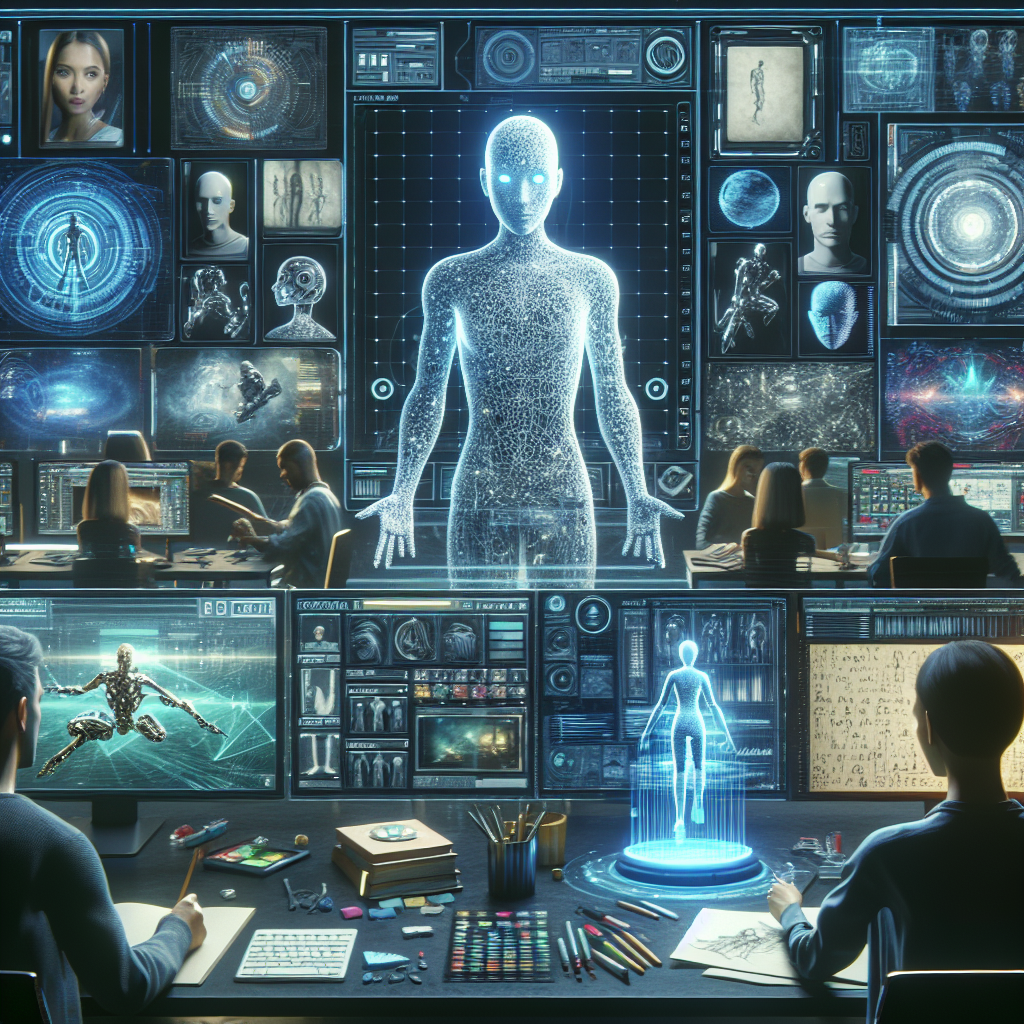
In an age where technology and creativity intersect seamlessly, AI-driven storyboarding is revolutionizing the film industry. This innovative approach is not only enhancing the efficiency of film production but also reshaping the artistic process. As AI technology continues to evolve, it is imperative to explore the implications for artists and the storytelling landscape. This article investigates how AI-driven storyboarding is redefining the role of artists in film, emphasizing the benefits, challenges, and future of this transformative technology.
Article Outline
- Introduction
- The Impact of AI on Storyboarding
- Redefining the Role of Artists
- Benefits of AI-Driven Storyboarding
- Challenges and Considerations
- The Future of AI in Film Production
- Conclusion
Introduction
The film industry has long been characterized by its creativity and technological advancements. In recent years, Artificial Intelligence (AI) has emerged as a powerful tool in film production, particularly in the realm of storyboarding. AI-driven storyboarding utilizes machine learning algorithms to assist in creating visual sequences, significantly impacting how stories are conceptualized and brought to life. As this technology continues to flourish, it presents both opportunities and challenges for artists and filmmakers.
The Impact of AI on Storyboarding
AI’s influence on storyboarding is profound. Traditionally, storyboards are hand-drawn illustrations that outline each scene’s visual and narrative flow. **AI-driven storyboarding streamlines this process** by suggesting compositions, generating scene layouts, and even predicting audience reactions.
Key impacts include:
- Automated scene generation using pre-existing data and patterns.
- Enhancement of creativity by allowing artists to focus on higher-level elements.
- Faster production timelines due to reduced manual illustration needs.
Redefining the Role of Artists
While some fear that AI might replace human creativity, it **actually redefines and enhances the role of artists**. Artists are now able to harness AI tools to push creative boundaries and achieve new levels of storytelling.
- AI functions as a collaborative partner, offering new perspectives and ideas.
- Empowers artists to focus on conceptualization, emotion, and nuance in storytelling.
- Encourages artists to develop new skills in AI technology and programming.
Benefits of AI-Driven Storyboarding
The integration of AI in storyboarding offers numerous benefits, making it an attractive option for filmmakers:
- **Increased Efficiency**: Automated processes significantly reduce the time required for storyboarding, bringing films to market faster.
- **Cost Effectiveness**: Reducing the number of revisions and iterations cuts down on labor costs.
- **Enhanced Creativity**: Offers fresh ideas and perspectives, inspiring new approaches to storytelling.
- **Audience Insights**: AI can analyze audience data to predict which scenes might resonate best.
Challenges and Considerations
Despite its advantages, **AI-driven storyboarding is not without challenges**:
- Technology Dependency: Reliance on AI may lead to a reduction in traditional artistic skills.
- Data Bias: AI systems learn from data, which can be biased, leading to unintentional stereotyping in stories.
- Privacy Concerns: Using audience data for AI prediction raises privacy and ethical considerations.
The Future of AI in Film Production
The future of AI in film production appears **increasingly intertwined** with technological advancements. As AI continues to evolve, we can expect:
- Integration with Virtual Reality (VR) and Augmented Reality (AR) to create even more immersive experiences.
- Development of AI that understands emotional storytelling, augmenting the human touch in film.
- Collaborative AI platforms connecting artists across the globe to share and innovate storytelling methods.
Conclusion
AI-driven storyboarding is redefining the role of artists in the film industry, offering unprecedented opportunities for creativity and efficiency. **Rather than replacing artists, AI serves as a catalyst** for new ideas, enabling filmmakers to push the boundaries of storytelling. As this technology continues to develop, it is crucial for industry professionals to embrace these changes, recognize the balance between technology and creativity, and chart the future course of filmmaking.
“`