
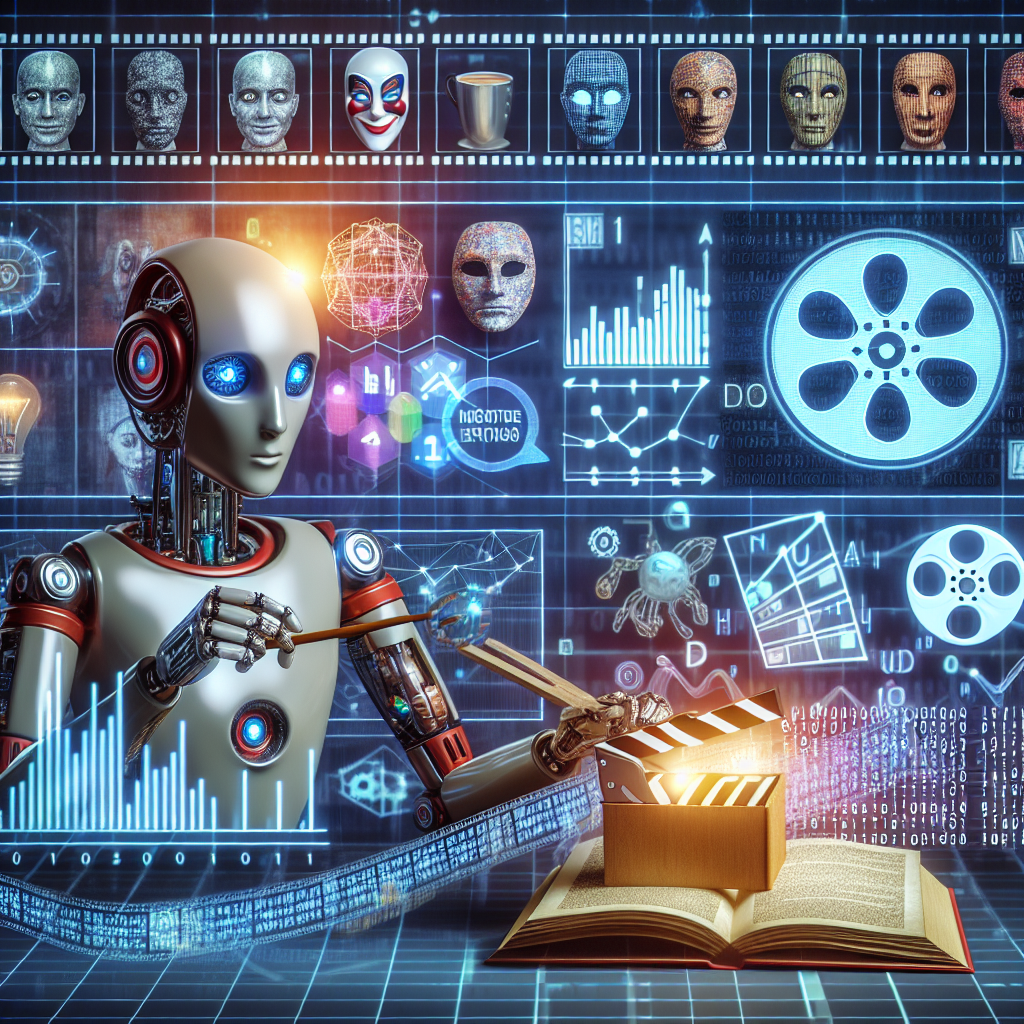
With the advent of Artificial Intelligence (AI), the film industry is experiencing a paradigm shift. AI-driven story analysis is one such technological advancement that significantly improves movie plot quality. This blog delves into how AI is revolutionizing the way stories are analyzed and subsequently enhancing the quality of movie plots.
Article Outline
- Introduction
- What is AI-Driven Story Analysis?
- Benefits of AI in Movie Plot Analysis
- How AI Improves Plot Quality
- Challenges and Limitations
- Future Prospects
Introduction
Artificial Intelligence (AI) is making significant inroads in various sectors, and Hollywood is no exception. The ability of AI to analyze and improve movie plots is not just a futuristic dream but an ongoing revolution. Understanding how AI-driven story analysis works and leveraging its benefits can greatly enhance the quality of movie plots. This article explores the intricate workings of AI in story analysis and its implications for the film industry.
What is AI-Driven Story Analysis?
AI-driven story analysis refers to the use of machine learning algorithms and natural language processing (NLP) techniques to evaluate the elements of a story. These AI models can read scripts, identify plot holes, and even suggest improvements based on data-driven insights. Here’s how it works:
- Script Reading: AI algorithms can scan through movie scripts quickly, identifying core elements like characters, themes, and plot points.
- Analyzing Structure: AI models analyze the story structure, identifying elements like the three-act structure, character arcs, and pacing.
- Sentiment Analysis: This involves understanding the emotional tone of the script, helping to gauge audience reactions.
- Data-Driven Insights: The AI system compares the script against a database of successful movies to provide actionable recommendations.
Benefits of AI in Movie Plot Analysis
Integrating AI in movie plot analysis comes with a plethora of benefits:
- Efficiency: AI reduces the time required to analyze scripts significantly, speeding up the pre-production phase.
- Objectivity: Unlike human analysts, AI offers unbiased critiques, focusing solely on data-driven metrics.
- Consistency: Algorithms provide consistent feedback, ensuring no crucial plot elements are overlooked.
- Predictive Analysis: By predicting audience reactions, filmmakers can make necessary plot adjustments beforehand, increasing the chances of a movie’s success.
- Cost-Effective: AI-driven analysis can reduce the costs associated with traditional script evaluation methods.
How AI Improves Plot Quality
AI not only analyzes but also contributes to improving the quality of movie plots:
- Identifying Plot Holes: The system can spot inconsistencies or gaps in the storyline that might go unnoticed.
- Character Development: AI can suggest ways to make characters more engaging based on successful character profiles from other films.
- Genre-Specific Insights: Different genres have different audience expectations. AI tailors its analysis to suit the genre, ensuring genre-specific standards are met.
- Dialogue Improvement: By assessing dialogue for naturalness and context, AI can suggest improvements to make conversations more believable and engaging.
- Thematic Consistency: Ensuring that the central themes of the movie are consistently represented throughout the plot.
Challenges and Limitations
Despite its advantages, AI-driven story analysis does have its limitations:
- Creativity Constraints: AI operates based on patterns and data, which may limit the scope for creative or unconventional storytelling.
- Initial Costs: Implementing advanced AI systems can be costly and require significant investment.
- Over-Reliance: Filmmakers might become overly dependent on AI, potentially stifling human creativity and intuition.
- Data Dependency: AI’s effectiveness is contingent on the quality and breadth of the data it’s trained on. Limited or biased data can lead to inaccurate analyses.
Future Prospects
The future of AI in movie plot analysis is promising:
- Real-Time Analysis: Future AI systems might offer real-time feedback during the scriptwriting process.
- Enhanced Personalization: With advancements in AI, the feedback can be more tailored to individual writers or studios, focusing on their specific needs and past successes.
- Collaborative AI: AI systems could eventually become collaborative partners, co-writing scripts and offering continuous improvements.
- Broader Integration: Beyond plot analysis, AI could be integrated into other aspects of filmmaking, from casting to marketing strategies, offering a holistic improvement in the filmmaking process.
In conclusion, as AI continues to evolve, its role in story analysis and plot improvement will become increasingly integral to the film industry. Leveraging AI-driven insights can help create more engaging, consistent, and successful movies, offering a win-win for both filmmakers and audiences.