“`html
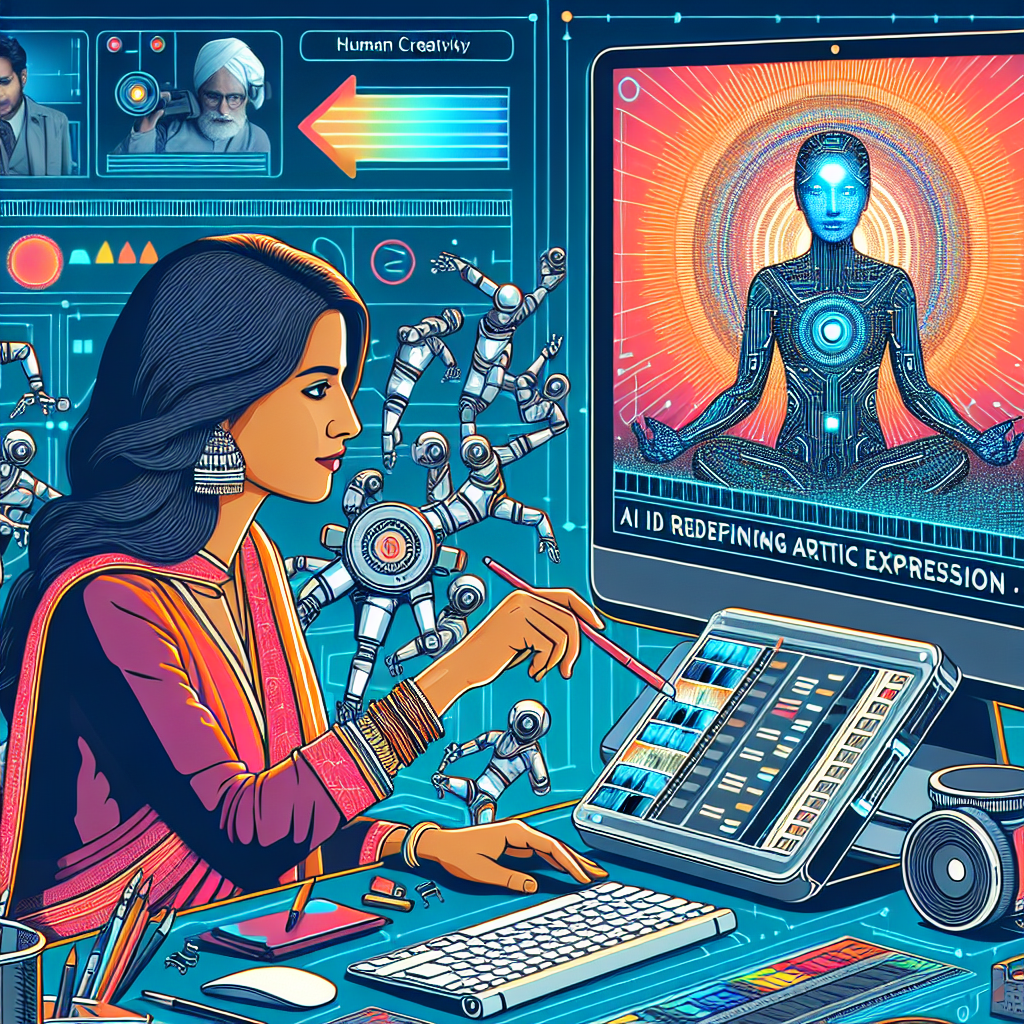
The intersection of artificial intelligence (AI) and human creativity is redefining artistic expression in cinema. As technology evolves, filmmakers are embracing innovative avenues brought about by AI to enhance storytelling, visual effects, and cinematic experiences. This article delves into the transformative role of AI in the film industry, evaluating its potential to augment human creativity and pondering the implications for the future of cinematic artistry.
The Role of AI in Film Production
AI is revolutionizing various aspects of film production. From scriptwriting to post-production, AI tools offer capabilities that were once unimaginable. **AI algorithms** are used to analyze vast datasets, identifying patterns and predicting trends that assist filmmakers in creating content that resonates with audiences.
- Script Analysis: AI can evaluate scripts for structure, tone, and potential audience appeal, providing valuable feedback to writers.
- Pre-visualization: AI-powered tools help in conceptualizing scenes, offering filmmakers a clearer vision of their projects before production begins.
- Editing: AI software accelerates the editing process by automating routine tasks and suggesting creative cuts.
Enhancing Storytelling Through AI
AI is empowering filmmakers to push the boundaries of traditional storytelling. With AI, the narrative structure becomes more dynamic and interactive. AI-driven technologies allow for the creation of **personalized viewing experiences**, adapting storylines in real-time based on viewer preferences.
- Character Development: AI can assist in crafting complex characters by analyzing successful character arcs and integrating those elements.
- Immersive Experiences: AI promotes the development of immersive storytelling techniques, enhancing the emotional impact of films.
AI in Visual Effects and Animation
The use of AI in visual effects (VFX) and animation is perhaps one of the most revolutionary changes in the film industry. AI enhances VFX by providing tools that improve efficiency and creativity in producing stunning visuals.
- Automated Animation: AI can automate repetitive tasks in animation, allowing artists to focus on creativity.
- Realistic Effects: AI aids in creating hyper-realistic effects, enhancing the visual storytelling of movies.
- Cost Efficiency: AI reduces production costs by minimizing the need for expensive physical sets and props.
Impact on Filmmaking Process
AI’s influence on the filmmaking process extends beyond production to distribution and marketing. AI algorithms analyze viewer data and predict trends to tailor marketing strategies, ensuring films reach their target audience effectively.
- Audience Insights: AI provides insights into viewer preferences, informing content creation and marketing.
- Distribution Strategies: AI helps optimize distribution by predicting the best release times and platforms.
The Symbiosis of Humans and Machines
While AI offers numerous tools that enhance film production, it is essential to recognize the role of **human creativity**. The symbiosis of humans and machines in cinema relies on humans leveraging AI’s capabilities without relinquishing the creative control that defines artistry.
- AI as a Tool: AI serves as a tool for artists, enabling innovations while supporting the artistic vision.
- Creative Control: Directors and writers retain control over the final output, using AI to refine rather than dictate the creative process.
Challenges and Ethical Considerations
With AI’s integration into cinema comes challenges and ethical considerations. The potential for AI to replace human jobs or produce biased content raises questions about its role in the creative industry.
- Job Displacement: Concerns about AI replacing jobs in the film industry must be addressed through balanced integration.
- Bias in AI: Ensuring AI systems are free from bias is crucial to creating inclusive and diverse content.
Future Prospects of AI in Cinema
The future of cinema with AI looks promising. As AI technology advances, its potential applications in filmmaking are vast. From real-time editing to fully interactive films, AI offers **unprecedented possibilities** for the future of cinematic experiences.
- Interactive Films: AI can enable real-time alterations in films based on viewer interactions.
- Adaptive Storylines: Future films may adjust narratives dynamically according to audience engagement and preferences.
Conclusion
AI is redefining artistic expression in cinema, providing tools that augment and enhance human creativity. While challenges and ethical concerns persist, the collaboration between humans and AI promises a future where artistic boundaries are continually expanded, creating richer and more inclusive cinematic experiences.
“`