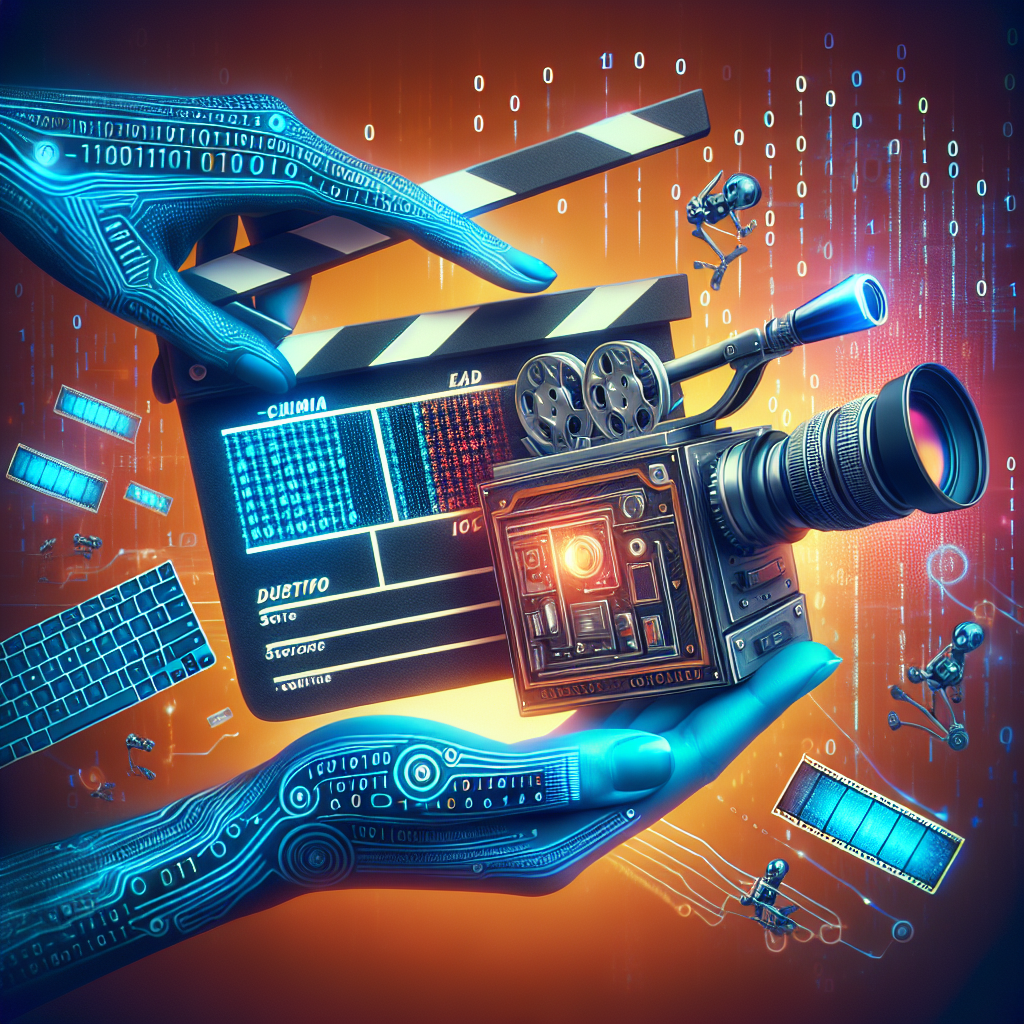
In the magic of movies, it’s not just about the lights and cameras; it’s all about collaboration. Today, a new kind of partnership is reshaping the landscape — the union between artificial intelligence (AI) and human creativity. This engaging teamwork is setting new standards in modern filmmaking by blending traditional storytelling with cutting-edge technology to create spectacular cinematic experiences. Let’s delve deep into how AI and human collaboration are revolutionizing creativity in filmmaking.
The Evolution of AI in Filmmaking
The journey of AI in the realm of cinema began with subtle implementations that have gradually evolved over the years. **AI technology** has moved from mere data handling to playing a crucial role in the creative process.
- In the early stages, AI was primarily used for **predictive analytics**, helping studios forecast box office success.
- Today, AI tools assist in scriptwriting, editing, and even directing.
- AI algorithms now have the capability to analyze previous successes to provide data-driven insights to filmmakers.
Collaborative Storytelling: AI and Human Creativity
**Collaborative storytelling** is at the heart of filmmaking, and AI serves as a new member of the creative team. By intertwining human intuition with AI’s data-centric models, stories get a unique blend of authenticity and innovation.
- Scriptwriters can use AI to **generate plot ideas**, keeping in mind market trends and audience preferences.
- AI-driven software can assist in developing characters and narrative arcs, offering suggestions that align with popular thematic elements.
- Directors can utilize these tools to visualize scenes, making pivotal decisions that influence the storytelling process.
AI’s Role in Pre-Production
The pre-production phase, which sets the groundwork for filmmaking, witnesses AI-driven advancements that streamline the process.
- **Location scouting** is made efficient with AI’s ability to analyze vast amounts of geographic and environmental data.
- AI aids in designing detailed production schedules, optimizing resource allocation to minimize time and cost.
- AI tools can help in casting by analyzing thousands of actor profiles to find the perfect match for roles based on specific criteria.
Enhancing Production with AI
During the production phase, artificial intelligence acts as an invaluable assistant, providing creatives with tools to enhance their vision.
- AI-driven cameras can automatically adjust settings such as focus and exposure depending on the scene, ensuring high-quality footage.
- Directors use **AI-enhanced visualization tools** to monitor shot compositions in real-time, enhancing decision-making.
- AI technology also supports the crew by automating mundane tasks, allowing them more time to focus on creativity.
Post-Production Magic with AI Tools
In post-production, AI continues to **revolutionize workflows**, offering efficiency and creative freedom.
- AI software can auto-generate initial edits, cutting down the time filmmakers spend trimming footage.
- Advanced algorithms allow for real-time photorealistic rendering, especially beneficial for movies needing extensive CGI.
- AI-driven tools help in analyzing audience feedback data to refine final edits for better viewer engagement.
Challenges and Ethical Considerations
While AI brings incredible innovations, it’s essential to consider the challenges and ethical questions it poses.
- Reliance on AI can potentially lead to a loss of the human touch in storytelling, impacting emotional authenticity.
- Data privacy concerns arise as AI systems collect and utilize vast amounts of personal and market data.
- Balancing creative control between human filmmakers and AI remains a nuanced issue subject to ongoing debate.
The Future of AI and Human Collaboration in Film
The **future of filmmaking** lies in the seamless integration of AI with human creativity. This collaboration will likely continue to push the boundaries of cinematic art.
- As AI technology becomes increasingly sophisticated, it will enhance personalized content creation, providing tailor-made experiences for diverse audiences.
- Future collaborations may see more autonomous AI systems capable of independently generating full films, further challenging the traditional roles within the industry.
- Continued collaboration ensures films that resonate on multiple levels, harmonizing technology with the timeless art of storytelling.
Overall, the merging of AI innovation with human artistry is reshaping modern filmmaking, presenting opportunities and challenges. By embracing this evolution, the film industry can continue to captivate audiences worldwide, crafting stories that are not only visually spectacular but also emotionally resonant. As this dynamic partnership progresses, filmmakers and technologists alike tread an exciting path towards the next frontier of creative expression.