
“`html
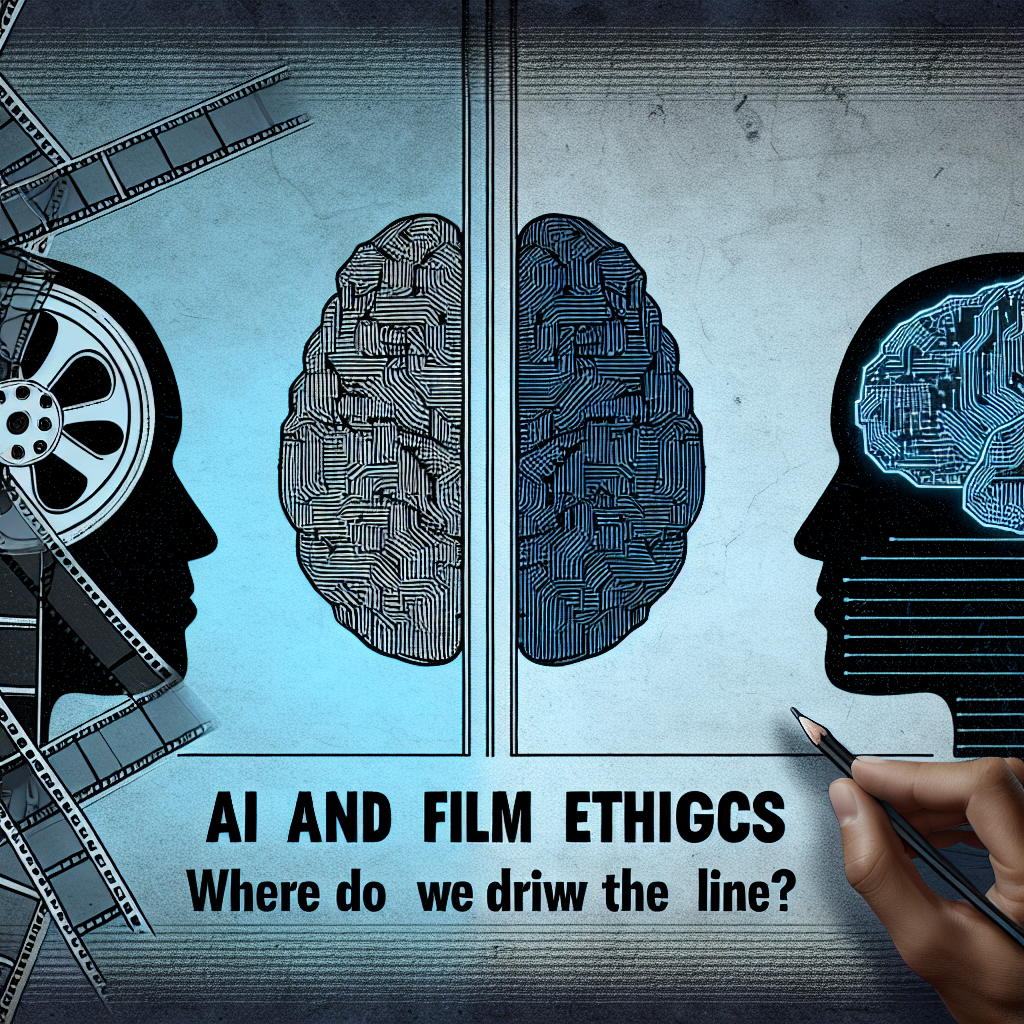
In the world of cinema, the integration of artificial intelligence (AI) has opened new frontiers, transforming how movies are made and viewed. However, the rise of AI in filmmaking has brought with it a complex array of ethical concerns. At the heart of these is a pressing question: Where do we draw the line when it comes to using AI in film production and storytelling?
Impact of AI on Film Production
AI has the potential to revolutionize film production by offering tools for automated editing, advanced visual effects, and enhanced production planning. AI algorithms can sort through hours of footage, identify the best shots, and even suggest edits, thus saving filmmakers time and resources. However, filmmakers need to balance efficiency with the creative input that defines authentic storytelling. Overreliance on AI could lead to content that lacks the human touch critical to resonating with audiences.
AI-Authored Screenplays: A Revolution or a Risk?
Recently, AI has been explored as a tool for screenwriting, capable of generating entire scripts. While this introduces a new era of creativity, allowing for rapid content generation, it raises questions about the originality and emotional depth of AI-generated narratives. Could AI miss nuances that only human experiences can convey? Filmmakers must consider whether AI-authored stories can truly match the emotional resonance of human-crafted narratives.
Intellectual Property and Ownership in AI-Driven Creations
Ownership of AI-created content is a contentious issue. If an AI writes a script or generates visual content, who hold the rights to these creations? Is it the developers of the AI software, the user of the software, or the AI itself (through the company owning it)? This complex issue requires legal frameworks that can adapt to technological advancements and define clear ownership rights.
Privacy Concerns and Data Use
AI in film often relies on large datasets, some of which may contain personal information. Filmmakers must navigate the ethical implications of using such data responsibly, ensuring compliance with privacy regulations. Moreover, maintaining transparency about how data is collected and used is crucial to building audience trust.
Bias and Representation in AI-Created Content
A significant challenge with AI is the potential for bias in its outputs. AI systems learn from data that may contain implicit biases, which can be reflected in AI-generated characters and narratives. This raises concerns about perpetuating stereotypes or misrepresenting marginalized communities. To counter this, filmmakers and developers must strive to use diverse datasets and continuously test AI systems for bias.
Setting Ethical Standards for AI in Film
The film industry should collaborate with tech experts, ethicists, and academic researchers to develop a robust framework for AI ethics in film. Standardizing ethical guidelines ensures that choices made during production are responsible and considerate. This approach helps establish best practices that prioritize both innovation and integrity.
The Future Outlook: Balancing Innovation with Ethics
The advancement of AI in film is inevitable, promising to bring both challenges and opportunities. The key is to embrace innovation while placing a strong ethical framework at the core of AI implementations. As filmmakers continue to explore AI’s potential, maintaining a focus on ethics will ensure that both creativity and social responsibility are preserved in cinematic arts.
“`